
- All
- Product Name
- Product Keyword
- Product Model
- Product Summary
- Product Description
- Multi Field Search
English

Views: 0 Author: Site Editor Publish Time: 2026-05-27 Origin: Site
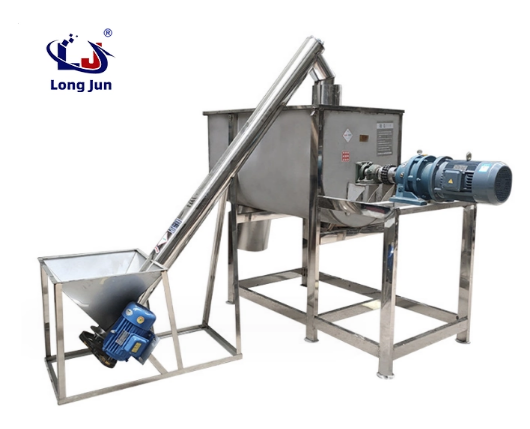
Manufacturing facilities often underestimate the mechanical complexity of bulk powder mixing equipment. Inefficient cleaning protocols lead to costly cross-contamination, unexpected mechanical wear, and prolonged operational downtime. You cannot afford batch rejections due to lingering allergens or reactive active ingredients. A Ribbon Mixer, by its very geometric design, features extremely tight clearances and complex twisted agitators. These unique structural traits make standard hose washdowns woefully insufficient. They trap stubborn materials and hide dangerous bacterial growth from plain sight.
We will break down exactly how to overcome these daily engineering hurdles. This guide provides a pragmatic, compliance-focused framework for evaluating residue types. You will learn how to establish robust manual Standard Operating Procedures (SOPs) tailored to your specific product lines. Finally, we will help you determine the exact operational thresholds indicating when you should invest in automated Clean-In-Place (CIP) systems to maximize production efficiency.
Method Matching: Cleaning approaches (Dry, Wet, Chemical) must be dictated by residue characteristics—ranging from loose powders to baked-on gels.
Hidden Risks: Center-shafts and tight ribbon clearances create "shadow areas" that harbor contaminants and degrade main shaft seals if ignored.
Mechanical Assistance: Utilizing dynamic agitation (turbulent contact) and industrial drying (absorption dryers) drastically reduces turnaround time.
Automation ROI: Properly configured CIP systems can reduce cleaning cycle times by up to 70% while minimizing chemical exposure for operators.
Operators frequently apply the wrong cleaning method to the wrong material. Over-cleaning wastes valuable labor hours. Under-cleaning ruins subsequent production batches. You must assess contamination severity before a single drop of water or chemical touches the stainless steel internal cavity. Define your residue complexity to standardize shift workflows.
We categorize mixer residues into three distinct tiers. You can assign specific cleaning protocols to each tier. This prevents operator guesswork and standardizes sanitation across your facility.
Severity Level | Material Characteristics | Primary Cleaning Intervention |
|---|---|---|
Tier 1 (Light/Water-Soluble) | Free-flowing dry powders or highly soluble liquids. Non-reactive. | Dry vacuuming or simple low-pressure water rinsing. |
Tier 2 (Sticky/Viscous) | Emulsions, gels, or slightly oily films. Moderately cohesive. | Thermal degradation (hot water) or mild chemical detergents. |
Tier 3 (Stubborn/Baked-On) | Tar-like, sludge, or heavily caked materials. Highly resistant. | Aggressive mechanical scrubbing combined with strong solvents. |
Your end product dictates the stringency of your cleaning approach. Different industries carry vastly different contamination risks.
Consider the daily operational context of a food seasoning ribbon mixer. Spice blends leave behind potent essential oils and strong pigments. This application requires stringent wet cleaning protocols. Operators must apply certified food-grade sanitizers. Rigorous allergen-removal procedures are mandatory to prevent flavor carryover between savory and sweet batches. A simple dry wipe down will never suffice here.
Conversely, look at the operational reality of an organic fertilizer feed powder ribbon mixer. These machines process reactive agricultural active ingredients. Moisture is the enemy. This equipment often benefits from thorough dry-cleaning methods. Operators should use targeted chemical neutralization for specific nutrient residues. You must minimize water usage entirely. Adding excess water to agricultural dust causes extreme, concrete-like caking inside the trough.
Manual cleaning remains the industry standard for most mid-sized processing facilities. A structured approach removes ambiguity. Follow these sequential phases to ensure complete sanitary compliance while protecting the machinery.
Preparation dictates the success of the entire cleaning cycle. Do not immediately flood the trough with water. Instead, run the mixer idle for one to two minutes. This simple mechanical rotation discharges loose residual materials trapped beneath the blades. You capture this dry bulk material before it becomes wet sludge.
Safety is non-negotiable. Completely disconnect main power, active pneumatics, and the water supply. Implement strict Lockout/Tagout (LOTO) protocols. Secure the breaker boxes. Never permit human entry into the mixing vessel until you verify absolute mechanical isolation.
Always progress from dry to wet. Start your intervention with industrial vacuums. Use stiff-bristled brushes to dislodge bulk dry material from the sidewalls. Removing seventy percent of the dry powder beforehand drastically reduces your subsequent chemical and water consumption.
For wet cleaning, apply mild industrial detergents formulated for your specific residue tier. You can leverage the machine's own kinetic energy to speed up the process. Re-engage power temporarily under safe, controlled conditions. Utilize a technique called "turbulent contact." Run the agitator back and forth while fluid sits inside the trough. The mechanical agitation violently sloshes the liquid, stripping stubborn wall residue much faster than manual scrubbing.
Fluid dynamics cannot solve everything. The geometric layout of double-helical ribbons creates distinct blind spots. Focus your manual scrubbing specifically on the back sides of the ribbon blades. Spray nozzles rarely hit these areas directly.
Pay ultimate attention to the main shaft seal. This junction represents the highest vulnerability point in the entire machine. It is highly susceptible to microscopic powder leakage. If operators ignore the seals, hidden residues foster rampant cross-contamination and bacterial growth between otherwise clean batches.
Certain Tier 2 and Tier 3 residues demand intense chemical intervention. Select appropriate solvents based on the molecular makeup of your product. Facilities frequently use ethanol or isopropanol to break down specific active pharmaceutical or cosmetic ingredients.
You must strictly observe chemical "contact time" limits. Leaving harsh industrial solvents on metal surfaces for too long causes irreversible pitting of the stainless steel. Once you achieve the required contact time, execute rigorous acid or base neutralization. Follow this immediately with high-volume clean water flushing.
The cleaning cycle is not over just because the machine looks shiny. Moisture retention presents a severe operational hazard. Any water left behind causes rapid flash rusting on non-stainless components. More dangerously, it causes instant powder clumping when you load the next dry batch.
Never rely on ambient air drying. Recommend forced heated compressed air to blow out tight crevices. For facilities with zero-moisture tolerance, integrate specialized absorption dryers into your workflow. These industrial units guarantee complete environmental moisture removal from the internal cavity.
Manual SOPs work well, but they consume massive amounts of labor. High-frequency changeovers strain manual cleaning limits. When production volume scales up, facilities must look toward automated solutions.
Transitioning from manual scrubbing to automated fluid dynamics transforms plant efficiency. You drastically reduce direct labor costs associated with sanitation shifts. By utilizing high-pressure nozzles and programmed chemical dosing, operations can cut turnaround downtime by up to 70%. Faster cleaning cycles directly unlock more daily production hours. Additionally, automated systems keep operators outside the vessel, minimizing their exposure to harsh chemical fumes.
Engineers face a massive fluid dynamics challenge when designing CIP for these machines. Central shafts and thick twisted ribbons physically block spray trajectories. A single spray ball placed at the top will leave the bottom trough completely dirty.
Industry standards provide a clear implementation rule. Mixers featuring center shafts larger than 1 inch typically require dual, staggered rotary jet heads. Placing these dynamic nozzles at opposing ends ensures 100% spray coverage of the bottom trough, effectively eliminating shadow areas behind the blades.
You cannot simply attach a spray nozzle to your municipal water line. Automated cleaning demands robust supporting infrastructure.
Dedicated CIP Pumps: Highlight the absolute necessity of high-pressure, high-volume pumps. Standard facility water pressure lacks the physical impact force required to strip residues.
Spray Head Selection: Transition your nozzle technology based on your residue tiers.
Piping and Drainage: Ensure the bottom discharge valve handles rapid fluid evacuation to prevent dirty water pooling.
Below is a comparative chart of standard CIP nozzle technologies:
Nozzle Technology | Mechanism of Action | Best Suited For |
|---|---|---|
Static Spray Balls | Low impact, high fluid volume cascading down walls. | Tier 1 residues. Easy-to-rinse powders. |
Rotary Spray Heads | Spinning fan blades create variable impact patterns. | Tier 2 residues. Light oils and emulsions. |
Rotary Jet Heads | High-pressure focused jets rotating on dual axes. | Tier 3 residues. Baked-on gels and thick sludges. |
Sanitation and mechanical upkeep are deeply intertwined. The moments immediately following a deep clean offer the best opportunity to assess equipment health. A clean vessel reveals mechanical flaws perfectly.
Train your operators to look beyond simple cleanliness. While the trough is empty and brightly illuminated, they must look for structural welding cracks. Check the ribbon edges for aggressive mechanical wear. Inspect the sidewalls for abnormal scraping marks. Scraping indicates a bent main shaft or failing end bearings. Catching these mechanical alignment issues early prevents catastrophic equipment failure mid-batch.
Inadequate cleaning directly destroys mechanical components. When operators fail to clean the seal housings, abrasive powders pack tightly into the gaps. As the shaft spins, these trapped particles act like sandpaper. They quickly destroy the packing glands and PTFE seals. You must mandate a monthly deep-cleaning protocol specifically for these seals. Pull the housings apart, inspect the packing material, and replace worn O-rings immediately.
You must tie your cleaning cycles directly to your mechanical upkeep schedule. High-frequency washdowns, especially those utilizing hot water and harsh detergents, inevitably strip necessary lubricants from external bearings and gearboxes. Ensure you implement standard 500-hour grease checks. Use heavy-duty sodium-based grease or appropriate food-grade equivalents to repack the bearings after aggressive sanitation cycles.
Cleaning a ribbon mixer is never merely a basic sanitation checkbox. It operates as a core, defining component of your entire equipment lifecycle management strategy. Proper cleaning preserves stainless steel integrity, protects expensive main shaft seals, and ensures product purity.
We advise operations managers to audit their current turnaround times immediately. Track exactly how many hours your team spends scrubbing troughs each week. If manual SOPs are causing noticeable production bottlenecks, or if you are consistently failing microbial swab tests, your current method is broken. At that threshold, it is time to evaluate the ROI of integrated CIP infrastructure to protect your bottom line and scale your output.
A: Yes. Dry cleaning via vacuuming and wiping is the industry standard for non-cohesive, non-reactive powder batches. Facilities processing raw plastics or basic minerals rely heavily on dry methods. Introducing moisture into these specific materials would cause severe structural caking or trigger rapid bacterial growth.
A: Failing to completely dry the internal cavity and the main shaft seals remains the biggest operational error. Residual moisture leads directly to immediate batch cross-contamination, severe product clumping, and long-term corrosive damage to the equipment.
A: It depends entirely on your production intensity. Light usage with similar non-reactive batches may only require weekly or monthly deep cleans. Conversely, heavy usage involving high-viscosity materials, strong pigments, or strict allergen changeovers dictates mandatory batch-to-batch chemical washdowns.


