
- All
- Product Name
- Product Keyword
- Product Model
- Product Summary
- Product Description
- Multi Field Search
English

Views: 0 Author: Site Editor Publish Time: 2026-03-27 Origin: Site
Plant managers and process engineers face constant pressure to achieve tighter particle size distributions. They must do this without escalating operational costs. Selecting the wrong equipment often leads to bottlenecked throughput. It also creates excessive energy waste and compromises material purity. While newer, hyper-specialized milling technologies exist, the traditional Ball Mill remains the backbone of heavy industrial processing. It consistently delivers reliable results across tough manufacturing environments.
This guide moves beyond basic definitions. We evaluate the proven commercial and operational advantages of industrial ball mills. Our goal is to help procurement and engineering teams make better decisions. You will learn how to determine if this technology aligns effectively against your production scale and profitability targets.
Industrial ball mills offer unmatched versatility, supporting both continuous wet and dry grinding across diverse material hardness levels.
Predictable maintenance schedules and customizable grinding media significantly reduce the risk of unplanned downtime and material contamination.
While energy-intensive, the long-term ROI is secured through high-capacity throughput, strict tolerance adherence, and scalability from lab to plant floor.
Proper evaluation requires balancing target particle size, capacity needs, and facility infrastructure against alternative grinding mill technologies.
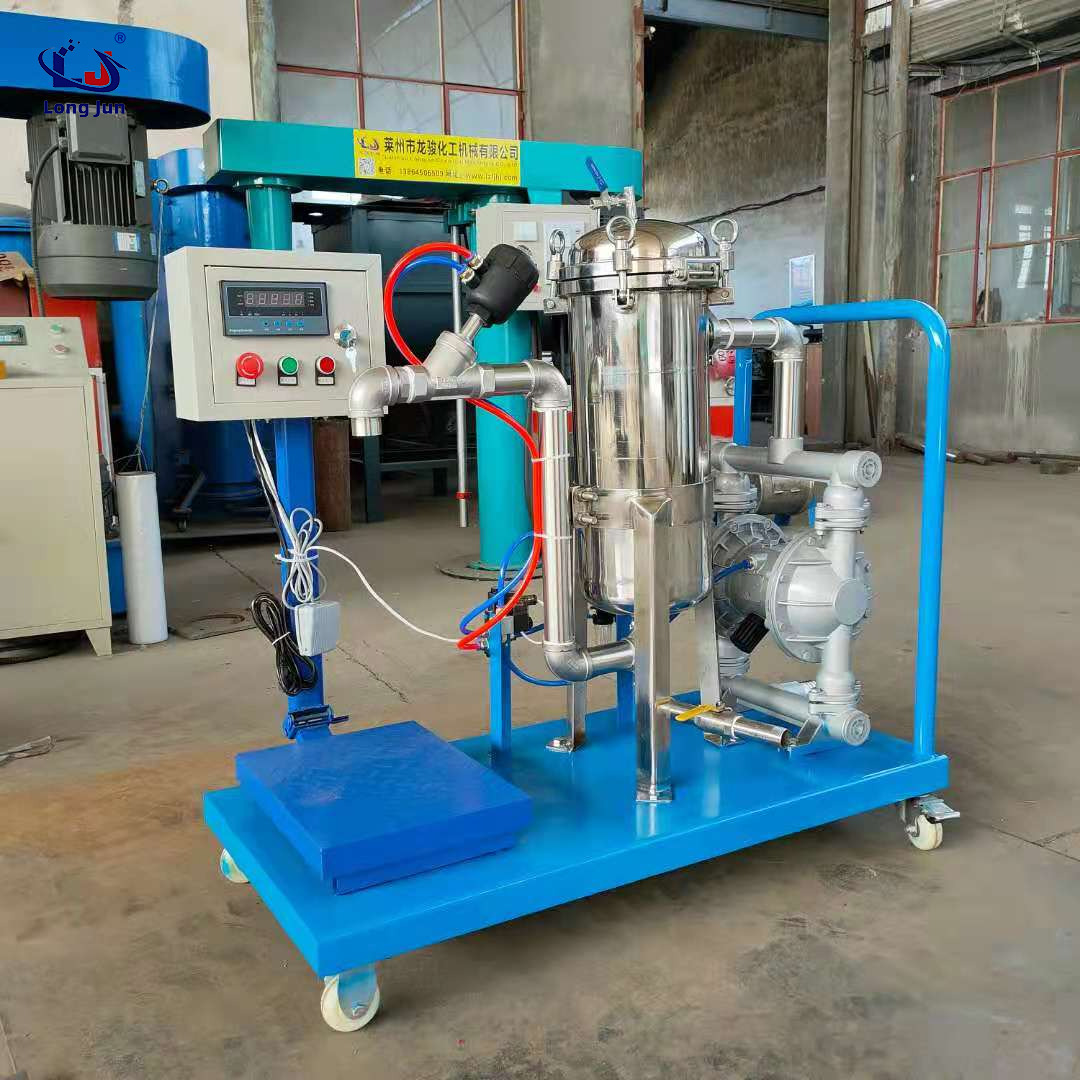
Unlike batch-restricted equipment, industrial ball mills integrate seamlessly into closed-circuit setups. This integration allows for 24/7 uninterrupted processing. High-volume manufacturing demands continuous flow to meet strict production quotas. When you connect the mill to an external classifier, the system automatically recirculates oversized particles. It sends them back into the grinding chamber. This continuous loop prevents bottlenecks and keeps your production line moving.
Best Practices for Continuous Flow:
Regularly calibrate your external classifiers to prevent over-grinding.
Monitor feed rates closely to avoid plugging the discharge grates.
Use automated weigh feeders to maintain a consistent material input.
A ball mill utilizes the cascading effect to crush materials. As the cylindrical chamber rotates, the grinding media lifts and cascades down. This action combines high-impact force with sliding attrition. It consistently achieves fine to very fine powders. You can easily ensure strict adherence to quality control tolerances. Reliable particle size reduction minimizes off-spec waste and protects your profit margins.
Common Mistakes to Avoid:
Running the mill too fast. This creates a centrifuging effect where media pins to the wall.
Underloading the mill. Insufficient material causes extreme metal-on-metal wear.
Engineers designed these machines to handle massive tonnage. The architecture supports rapid capacity expansion. You simply size up the cylindrical chamber and upgrade the drive mechanism. This offers a highly predictable, linear scale-up model for growing facilities. A process proven in a pilot plant will translate reliably to a massive industrial unit.
Facilities can adapt these machines to specific material constraints. Wet grinding maximizes efficiency for slurries. The liquid acts as a lubricant and cools the system down. It typically requires less power per ton of processed material. Conversely, dry grinding serves moisture-sensitive applications. If you process cement clinker or specific hygroscopic chemicals, dry milling prevents clumping and spoilage.
Industrial mills can be engineered with completely sealed environments. You can add inert gas protection, like nitrogen purging, to process reactive materials safely. This approach is highly advantageous for specialized chemical applications. For example, formulating a marine grade paint ball mill requires processing tough pigments alongside volatile solvents. Heavy-duty, explosion-proof wet milling prevents vapor ignition while achieving ultra-fine pigment dispersion.
These robust machines are capable of grinding ores, ceramics, paints, and alloys. The equipment literally bridges the gap between raw mining extraction and refined chemical synthesis. You can process abrasive minerals one quarter, then clean and re-line the mill to process specialty coatings the next. This universal adaptability protects your capital investment.
Operators can swap traditional steel balls for ceramic, alumina, or non-metallic grinding media. This completely eliminates iron contamination. In pharmaceutical, food processing, and high-end coating industries, iron-free processing represents a mandatory compliance standard. You match the liner and the media to the purity requirements of your product.
Here is a quick overview of common grinding media options:
Media Type | Primary Application | Contamination Risk |
|---|---|---|
Forged Steel | Mining ores, cement, heavy industrial | High (Iron release) |
Alumina (Ceramic) | Ceramics, specialty chemicals, glazes | Very Low |
Zirconia | High-end paints, electronics, pharma | None |
Standard machines require a lower initial capital expenditure relative to their multi-decade operational lifespan. Compared to complex attritor or planetary mills, the classic tumbling design contains fewer intricate moving parts. They offer massive output ceilings without the fragile mechanics seen in newer tech. Your business secures a reliable asset that generates value for decades.
Wear parts degrade at highly predictable rates. Internal liners, drive pinions, and grinding media follow known lifecycle curves. Maintenance teams can easily schedule replacements during planned plant turnarounds. This predictability protects your overall equipment effectiveness (OEE). You rarely experience unexpected catastrophic failures if you follow basic inspection protocols.
Perform acoustic checks weekly to listen for abnormal clanking.
Measure media wear monthly and top up as needed.
Inspect trunnion bearings and gearbox lubrication daily.
Modern ball mills readily accept variable frequency drives (VFDs) and real-time sensor monitoring. You can track vibration, acoustics, and motor load continuously. This digital integration allows for automated feed-rate adjustments. It optimizes energy consumption and extends media life without requiring manual operator intervention. The system literally learns how to run at peak efficiency.
Every facility has unique requirements. Before signing a purchase order, you must evaluate if this technology truly fits your operational ecosystem. We must compare it against alternative grinding mill types to ensure maximum efficiency.
Understanding where a machine excels also means acknowledging its boundaries. Here is how the equipment stacks up against common alternatives:
Equipment Category | Primary Function | Comparison vs. Ball Mill |
|---|---|---|
Crushers (Jaw/Cone) | Bulk macroscopic size reduction | Crushers handle raw rocks. Ball mills are strictly for fine powder finishing. |
Rod Mills | Coarse grinding, narrow size distribution | Rod mills yield fewer fines. Ball mills are superior when the end goal is extreme fineness. |
Planetary Mills | Nano-scale processing (Lab scale) | Planetary mills achieve sub-micron levels easily but lack industrial massive scale capabilities. |
You cannot deploy heavy machinery without accepting certain structural and economic realities. Make sure your facility can support the following requirements:
Energy Consumption: These machines are inherently energy-intensive. Heavy rotating masses require massive motor torque. Facilities must actively assess whether their high throughput justifies the power draw. Utilizing VFDs and optimizing media charge can mitigate this, but it remains a primary operational expense.
Noise & Vibration: Tumbling steel creates intense acoustic pressure. The equipment requires robust structural foundations to absorb dynamic loads. You will likely need acoustic mitigation, such as sound-dampening enclosures, to protect floor workers and meet safety regulations.
The Nano-Limit: Standard tumbling configurations struggle with extreme nano-scale particles without specialized modifications. If your product demands absolute sub-micron precision, you might need to supplement the process with a secondary stirred mill.
Never buy industrial equipment based purely on spec sheets. Procurement teams should always demand a pilot material test from the manufacturer. You must validate media wear rates and specific energy consumption (kWh/ton) using your actual raw material. This empirical data secures your investment before finalizing structural specifications.
The industrial ball mill remains an unparalleled asset for facilities prioritizing high-capacity output. It offers consistent fineness and incredible material versatility. From wet slurries to dry powders, it handles harsh environments effortlessly.
Focus your procurement evaluation on specific liner materials, drive efficiency, and automation capabilities. You should also ensure the manufacturer has a proven ability to support localized maintenance and supply spare parts quickly.
Do you need help evaluating your current production line? Contact our engineering team for a customized throughput audit. We can also schedule a material test in our lab facility to prove the efficiency of our systems using your product.
A: Wet grinding uses a liquid, like water or a solvent. This reduces friction, cools the system, and improves overall energy efficiency. Dry grinding operates without liquids. It is strictly reserved for materials that react negatively to moisture, such as cement clinker or specific hygroscopic chemicals.
A: Replacement cycles depend entirely on the abrasiveness of your feed material and the hardness of the media itself. Most industrial facilities schedule routine visual inspections and media top-ups quarterly. Complete media replacements happen during larger annual turnarounds.
A: Generally, no. Standard models excel at fine micron reduction. However, achieving true nano-scale efficiently usually requires wet grinding in specialized stirred or planetary mills. Standard tumbling mechanics lack the high-shear forces needed for sub-micron absolutes.
A: Core pricing is primarily dictated by the chamber volume and capacity. Construction materials, like stainless steel versus carbon steel, heavily impact the price. The type of internal lining and the sophistication of the drive and automation systems also drive the final cost.


