
- All
- Product Name
- Product Keyword
- Product Model
- Product Summary
- Product Description
- Multi Field Search
English

Views: 0 Author: Site Editor Publish Time: 2026-01-22 Origin: Site
Plastic pollution has become one of the most urgent environmental challenges of our time, with millions of tons of plastic waste accumulating in landfills, oceans, and ecosystems each year. The widespread use of single-use plastics and the slow degradation process contribute significantly to this issue, making it vital to find sustainable solutions. Recycling is one of the most effective ways to address plastic waste, but it requires efficient processes and technologies. This is where plastic recycling machines come in, playing a critical role in reducing waste, conserving resources, and creating new, usable materials. These machines not only help streamline the recycling process but also enhance efficiency, making it possible to recycle larger quantities of plastic with minimal effort. The purpose of this article is to guide buyers in making informed decisions when purchasing a plastic recycling machine, ensuring they choose the right equipment for their specific needs, budget, and environmental goals.
Before purchasing a plastic recycling machine, it’s essential to know the types of plastic waste you will be processing. Different plastics have distinct properties and require specific processing methods. Common plastic types include:
PET (Polyethylene Terephthalate): Often found in bottles and containers.
HDPE (High-Density Polyethylene): Used in products like milk jugs and detergent bottles.
PVC (Polyvinyl Chloride): Found in pipes, window frames, and some packaging.
PP (Polypropylene): Common in food containers, straws, and car parts.
Each plastic type has different melting points, densities, and material compositions, which can affect the performance and selection of recycling equipment.
The volume of plastic waste you handle daily will influence the capacity and size of the machine you need. Machines vary in terms of throughput, so it’s important to match the recycling machine's capacity to your waste volume. Consider both the:
Volume of Waste: Larger operations require machines with higher processing capacities to handle bigger volumes efficiently.
Types of Waste: Some machines are better suited for specific plastic types. For example, a shredder designed for bulky plastic items might not be ideal for fine films or containers.
When choosing a plastic recycling machine, it’s important to understand the various types available and how they serve different purposes in the recycling process:
Shredders: These machines are designed to reduce the size of plastic waste by cutting it into smaller, manageable pieces. Shredders are ideal for size reduction and preparing materials for further processing. They can handle a wide variety of plastic types and are essential for breaking down large, bulky plastic items into smaller particles.
Extruders: Extruders melt the shredded plastic and push it through a mold to form continuous shapes, such as sheets or pellets. This process is crucial when transforming plastic into a uniform, reusable form for manufacturing new products. Extruders are typically used in the stage after shredding, preparing the plastic for pelletizing or other forms of processing.
Pelletizers: Pelletizers take the melted plastic from the extruder and cut it into uniform pellets, which are easier to store, handle, and use in manufacturing processes. These small pellets are ideal for producing new plastic products. Pelletizers are essential for creating the final product form that can be used in injection molding or other production processes.
Each type of machine serves a specific purpose in the recycling process, and choosing the right one depends on your particular needs:
Size Reduction: If your goal is to break down large pieces of plastic waste into smaller, manageable bits, a shredder is the right choice. Shredding is the first step in many recycling processes, as it prepares the material for further processing.
Cleaning and Melting: If your waste plastic requires cleaning and melting before being reformed, an extruder is essential. This machine helps melt and shape the plastic into a form suitable for further processing or molding.
Final Product Forming: To create uniform plastic pellets from melted material, which are ideal for use in new product manufacturing, a pelletizer is the best option. This step ensures that the recycled plastic is turned into a consistent, usable material.
When selecting a plastic recycling machine, focus on these key factors:
Speed: A machine's processing speed dictates how quickly it can handle plastic waste. Faster machines process more material per hour, helping meet production demands without compromising quality.
Energy Consumption: Energy-efficient machines help lower operational costs and reduce environmental impact. Choose machines designed to minimize energy use while maintaining high output.
Output Quality: The machine should produce consistent, clean, high-quality recycled plastic suitable for reuse in manufacturing new products.
Consider the machine’s processing speed and capacity:
Processing Speed: Machines with higher speeds can handle larger volumes, but balance speed with quality to avoid compromising the final product.
Capacity: Assess the number of plastic products the machine can process per hour to ensure it aligns with your production needs.
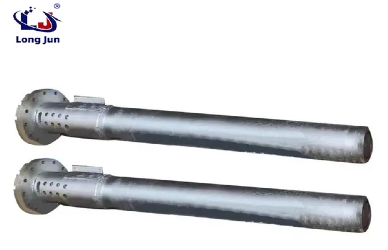
Selecting a high-quality, durable plastic recycling machine is essential for long-term use. A robust machine will withstand the wear and tear of constant operation, reducing the need for frequent replacements. Durability is particularly important in recycling, where machines are often running continuously and exposed to harsh conditions.
Maintenance plays a crucial role in machine longevity and efficiency:
Ease of Repairs: Choose machines that are designed for easy repair and upkeep. Machines that are simple to maintain will reduce downtime and improve operational efficiency.
Spare Parts Availability: Ensure that spare parts for the machine are readily available. A machine with hard-to-find parts can lead to long delays and costly repairs.
Overall Longevity: Consider the overall lifespan of the machine and the manufacturer's warranty. A well-built machine with a solid warranty can provide peace of mind, ensuring fewer disruptions and better long-term returns on your investment.
When selecting a plastic recycling machine, it’s essential to evaluate its energy consumption. Machines that consume less energy help minimize operational costs over time, making your recycling operation more cost-effective. Look for machines designed with energy-saving features like efficient motors and optimized heating systems, which can significantly reduce electricity usage.
In addition to energy efficiency, consider the environmental impact of the machine. Choose machines with eco-friendly features, such as low emissions or reduced waste production. Machines that minimize their environmental footprint not only help lower operating costs but also contribute to sustainability efforts, aligning with global goals to reduce carbon footprints.
When purchasing a plastic recycling machine, ensure the manufacturer offers reliable customer support. Good customer service can help resolve issues quickly, minimizing downtime and ensuring your operation runs smoothly. Consider manufacturers that provide easy access to support, whether through phone, email, or on-site assistance.
A solid warranty is essential for protecting your investment. Look for a manufacturer that offers a comprehensive warranty covering parts and labor for a reasonable period. Additionally, check if the manufacturer provides support for installation, training, and ongoing maintenance. Proper training and maintenance services ensure you can operate and maintain the machine effectively, enhancing its lifespan and performance.
You should consider the types of plastic waste, the machine's capacity, and your processing needs. Evaluate efficiency, output, and energy consumption for long-term success.
Look for machines made of high-quality materials with a strong warranty. Research the manufacturer's reputation and check reviews for feedback on durability and performance.
Yes, many modern machines come with energy-saving features, such as optimized motors and automatic shut-off systems, which reduce energy consumption during operation.
The cost varies depending on machine type and capacity. Calculate ROI by considering your processing volume, operational costs, and potential savings from reduced plastic waste disposal.
When purchasing a plastic recycling machine, it’s essential to consider several key factors to ensure you make the best choice for your needs. Start by understanding the types of plastic you’ll be processing and matching them with the right machine type, whether it’s a shredder, extruder, or pelletizer. Evaluate the machine’s efficiency in terms of speed, energy consumption, and output quality, while also factoring in its durability and maintenance requirements. Prioritize machines that offer long-term reliability, ease of repair, and energy efficiency to minimize operational costs. Additionally, review the manufacturer's support and warranty to ensure you have access to necessary training and maintenance services. Ultimately, focus on making a decision that balances long-term efficiency, reliability, and sustainability to ensure that your investment in a recycling machine delivers both environmental benefits and cost savings for years to come.


