
- All
- Product Name
- Product Keyword
- Product Model
- Product Summary
- Product Description
- Multi Field Search
English

Views: 0 Author: Site Editor Publish Time: 2026-03-09 Origin: Site
What shortens the life of a sigma mixer the most? It is not always heavy use. In many cases, it is poor maintenance habits. Small issues grow fast, and they often lead to costly downtime. A sigma mixer handles high-viscosity materials every day. It works under constant stress, heat, and pressure. Because of this, its lifespan depends on how well it is cleaned, inspected, and operated. Good maintenance keeps performance stable and reduces unexpected failures.
In this article, you will learn practical ways to maintain your equipment. We will cover cleaning routines, key maintenance steps, and smart operating practices. You will also see how consistent care, along with reliable support from manufacturers like Longjun, helps extend machine lifespan and improve efficiency.
Cleaning should begin as soon as a mixing cycle is complete. At this stage, materials are still soft and easier to remove. If left too long, residues harden and stick firmly to internal surfaces, making cleaning more difficult and increasing mechanical resistance during the next operation.
The mixing chamber, Z-blades, and discharge gate require the most attention. These areas experience constant contact with materials and are prone to buildup. Keeping them clean ensures smooth blade rotation and consistent mixing results across batches.
While effective cleaning is important, protecting the internal surface is equally critical. Stainless steel surfaces must remain smooth to prevent future buildup. Scratches caused by improper tools can create small pockets where materials accumulate more easily.
Instead of using metal scrapers, operators should rely on warm water, approved cleaning agents, and soft brushes. This method removes residue efficiently while preserving the integrity of the mixer’s interior.
After cleaning, drying completes the process. Moisture left inside the machine can lead to corrosion, especially if the sigma mixer remains idle for extended periods.
Operators should ensure all internal surfaces are fully dry before shutdown. In environments with high humidity, additional measures such as air drying or light heating may be necessary. For long idle periods, applying a thin protective coating helps prevent oxidation and extends equipment life.
Tip: A consistent clean-and-dry routine not only protects the machine but also shortens cleaning time over the long term by preventing hardened buildup.
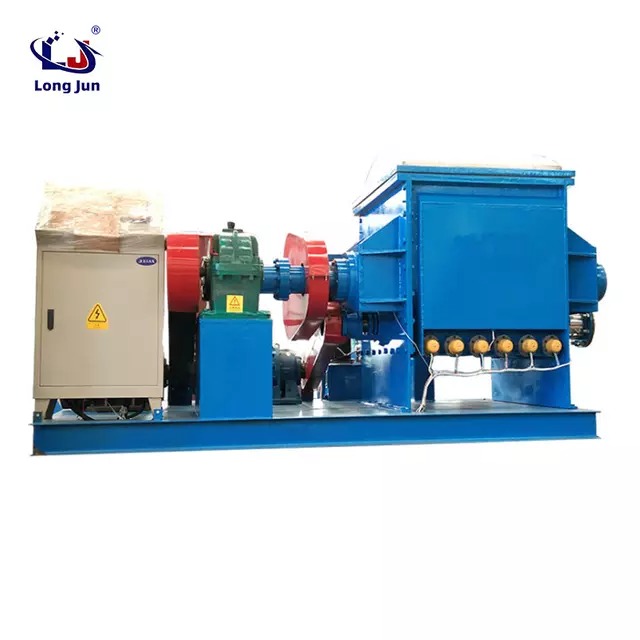
Lubrication is one of the most effective ways to reduce wear. Bearings, chains, and gear assemblies operate under continuous friction. Without proper lubrication, these parts heat up, wear faster, and eventually fail.
A regular lubrication schedule ensures smooth operation and reduces mechanical resistance. It also helps maintain energy efficiency by minimizing unnecessary load on the motor.
The gearbox is the heart of power transmission in a sigma mixer. It converts motor output into controlled blade movement. If oil levels drop or oil quality deteriorates, internal gears can overheat and wear prematurely.
Routine oil checks and timely replacement keep the gearbox running smoothly. Clean oil maintains stable torque and protects critical components from damage.
The drive system plays a key role in transferring power from the motor to the mixing blades. Its condition directly affects how smoothly the sigma mixer operates over time. Among all factors, belt tension and alignment are the most critical, since even small deviations can impact efficiency and increase wear.
To better understand how different belt conditions affect performance, refer to the table below:
Belt Condition | Common Issue | Impact on System Performance | Recommended Action |
Too Loose | Slippage | Reduced power transfer, unstable blade movement | Adjust tension to proper level |
Too Tight | Excessive strain | Increased load on bearings and shafts, faster wear | Loosen belt to reduce mechanical stress |
Misaligned | Uneven wear | Irregular operation, shortened component lifespan | Realign pulleys and check positioning |
Properly Adjusted | Optimal condition | Smooth power transmission, stable and efficient mixing | Maintain regular inspection schedule |
Shaft seals prevent leakage and protect internal components from contamination. Over time, these seals wear due to constant movement and pressure.
Regular inspection allows operators to identify early signs of wear, such as leakage or deformation. Replacing seals before failure helps avoid more complex repairs and downtime.
Z-blades are central to the performance of a sigma mixer. Their alignment and condition directly influence mixing quality. Even minor deformation can create imbalance and increase stress on the drive system.
Routine inspection ensures blades remain properly aligned and free from excessive wear. This maintains consistent mixing performance and protects the machine from uneven load distribution.
A daily visual inspection is a simple yet effective way to catch early issues before they develop into serious problems. By focusing on a few key areas before startup, operators can quickly assess the condition of the machine and ensure stable operation.
The following table outlines the main inspection points and their significance:
Inspection Item | What to Check | Possible Indication | Recommended Action |
Leaks | Oil or material leakage | Seal wear or connection issues | Inspect seals and tighten fittings |
Fasteners | Loose bolts or screws | Vibration or structural instability | Tighten and secure all fasteners |
Unusual Sounds | Grinding, knocking, or abnormal noise | Internal wear or misalignment | Stop machine and inspect components |
General Condition | Visible wear or misalignment | Early-stage mechanical issues | Schedule detailed inspection |
During operation, the sigma mixer should run smoothly and consistently. Changes in vibration, speed, or temperature often indicate underlying issues.
By paying attention to these signals, operators can respond quickly and prevent minor issues from developing into major failures.
The electrical system supports every aspect of the mixer’s operation. Faulty wiring or unstable connections can interrupt production and pose safety risks.
Regular inspection of motors, cables, and control panels ensures safe and reliable operation. Addressing electrical issues promptly helps maintain both productivity and workplace safety.
Note: Most equipment failures are not sudden—they develop over time. Early detection through routine inspection significantly reduces repair costs and downtime.
Every sigma mixer is designed with a specific capacity. Exceeding this limit increases stress on the motor, gearbox, and blades. While the machine may continue to operate, internal wear accelerates significantly.
Staying within recommended limits ensures stable performance and extends equipment lifespan.
High-viscosity materials can create heavy resistance during startup. Pre-conditioning these materials—such as using heating jackets—reduces strain on the mixer and improves efficiency.
This approach allows smoother blade movement and minimizes mechanical stress during operation.
Different materials require different mixing conditions. Incorrect speed, temperature, or mixing time can affect both product quality and machine health.
Consistent parameter control ensures efficient processing while reducing unnecessary strain on internal components.
Operators are the first to notice changes in machine behavior. Proper training enables them to identify abnormal sounds, vibrations, or temperature changes early.
They should understand correct cleaning procedures, lubrication routines, and operational limits. This knowledge helps prevent avoidable damage and improves overall efficiency.
A maintenance log provides a clear record of all service activities. It helps track patterns, schedule future maintenance, and ensure accountability.
A simple log may include:
Date | Task | Observation | Action |
May 02 | Lubrication | Normal | None |
May 06 | Seal Check | Slight wear | Replacement planned |
Structured documentation improves long-term planning. Manufacturers like Longjun emphasize service systems where proper records support better equipment management and extended machine life.
When the sigma mixer or its components are not in use, proper storage is essential. Exposure to moisture, dust, or unstable temperatures can damage parts over time.
A clean, dry, and controlled environment helps preserve component integrity and ensures readiness for future use.
Spare parts should be stored carefully to maintain their quality. Poor storage can lead to corrosion or contamination, making them ineffective when needed.
Keeping parts sealed, labeled, and organized ensures quick and reliable replacement. High-quality suppliers such as Longjun provide durable and compatible spare parts, which further supports efficient maintenance and long-term performance.
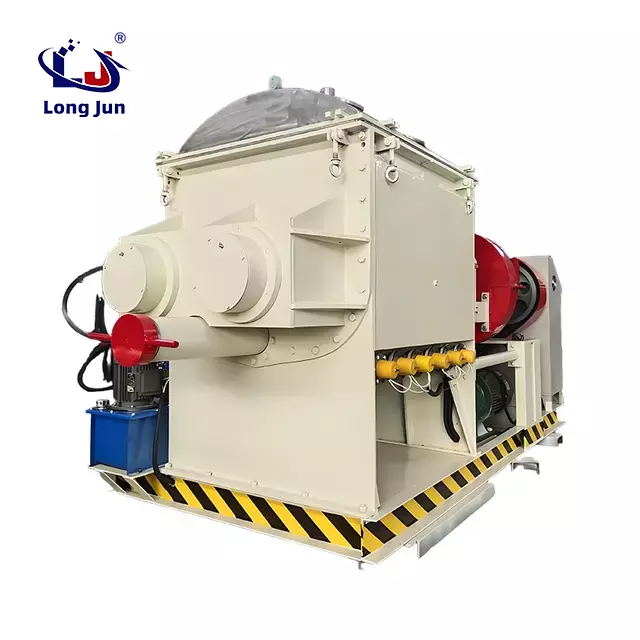
Maintaining a sigma mixer requires consistent daily care and smart operation. Regular cleaning prevents material buildup, while proper lubrication reduces wear on key components. Routine inspections help detect small issues early, allowing quick action before they affect performance or production stability. Operators play an important role in this process. With proper training and clear maintenance records, they can keep the machine running smoothly and respond to changes in time. This approach improves efficiency and supports long-term planning.
Over time, a well-maintained sigma mixer delivers reliable performance, lower costs, and extended service life. Equipment from Laizhou Longjun Machinery Co., Ltd. offers strong durability, stable operation, and flexible design, helping users achieve consistent results and long-term value in demanding production environments.
A: You should clean a sigma mixer after every batch. Immediate cleaning prevents residue buildup, protects internal surfaces, and ensures consistent mixing performance.
A: Lubrication reduces friction between moving parts in a sigma mixer. It helps extend component life, improves efficiency, and prevents overheating during operation.
A: Common signs include unusual noise, increased vibration, leaks, and unstable mixing speed. These indicators suggest that the sigma mixer requires inspection or servicing.
A: To extend sigma mixer lifespan, combine daily cleaning, regular lubrication, and routine inspections. Proper operation and avoiding overload also play a major role.
A: Overloading a sigma mixer increases stress on the motor and blades. It leads to faster wear, reduced efficiency, and potential mechanical failure over time.
A: Yes, trained operators can identify early warning signs and follow correct procedures. This helps maintain sigma mixer performance and reduces unexpected downtime.


