
- All
- Product Name
- Product Keyword
- Product Model
- Product Summary
- Product Description
- Multi Field Search
English

Views: 0 Author: Site Editor Publish Time: 2026-03-16 Origin: Site
Have you ever wondered why your dough turns out differently each time? Many people face this issue when choosing between a kneader and a mixer. They look similar and both mix ingredients, so it feels confusing at first. Yet, their results can vary more than expected.
The real difference comes from how each machine works. A kneader focuses on structure and strength. A mixer focuses on speed and blending. This affects texture, consistency, and final product quality. In this article, you will learn the key differences between a kneader and a mixer. We will explore how they work, where they perform best, and how to choose the right one for your needs.
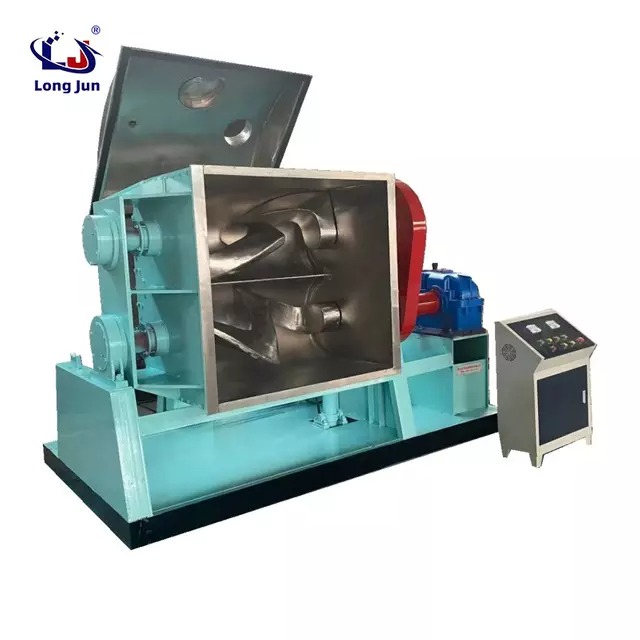
Understanding the differences between a kneader and a mixer starts with how they are designed and what they are meant to achieve.
A kneader is built for one main goal: developing structure in dense materials.
It works by:
● Stretching dough
● Folding it repeatedly
● Applying pressure to build gluten networks
This process creates elasticity and strength, which are critical for bread, pizza, and similar products.
A mixer, on the other hand, focuses on combining ingredients quickly and evenly. It doesn’t specialize in structure development.
The working motion is where the real difference appears.
Feature | Mixer | Kneader |
Motion | High-speed rotation | Slow, powerful folding |
Force | Light to moderate | High torque |
Goal | Blend ingredients | Build structure |
Mixers rely on speed and agitation. Kneaders rely on controlled pressure and motion. This difference directly affects the final product.
If dough quality matters, the kneader stands out.
A kneader:
● Builds stronger gluten networks
● Improves elasticity
● Supports better fermentation
● Produces consistent texture
A mixer can handle dough, but it may:
● Generate more heat
● Overwork delicate structures
● Deliver less uniform results for heavy dough
This is another key difference.
● Kneader → Handles dense, sticky, or high-viscosity materials
● Mixer → Works best with light to medium mixtures
Examples:
● Kneader: bread dough, rubber, adhesives
● Mixer: cake batter, cream, sauces
Mixers are fast. Kneaders are precise.
● Mixers save time in multi-step processes
● Kneaders focus on controlled, repeatable results
In industries where consistency matters, precision often outweighs speed.
A kneader is a specialized machine designed for intensive mixing and kneading of thick materials.
Most kneaders use:
● Z-shaped blades (sigma blades) or spiral arms
● Counter-rotating motion
● Strong shear and compression forces
This motion mimics manual kneading but at a much higher level of consistency and power.
Kneader machines come in different forms, each designed for specific materials and processing needs. While they share the same core function, their structure and application vary depending on the industry and product requirements.
Type of Kneader | Typical Use Case | Key Function | Suitable Industry |
Dough Kneader | Bakery operations | Develops gluten and improves dough elasticity | Baking, food production |
Sigma Kneader | Industrial processing | Handles high-viscosity materials with strong shear force | Rubber, plastics, adhesives |
Vacuum Kneader | Precision mixing | Removes air to improve consistency and product quality | Pharmaceuticals, food, chemicals |
Each type is optimized for specific materials and industries, ensuring efficient processing and consistent results across different applications.
A kneader performs exceptionally well when materials are thick or sensitive.
Key advantages:
● Even dispersion of ingredients
● Stable temperature control
● Optional vacuum mixing for higher quality
Manufacturers such as Longjun have developed advanced tilt kneader systems. These machines allow:
● Easy material discharge
● Custom heating or cooling
● Precise control over mixing parameters
This makes them ideal for industries handling rubber, adhesives, or specialty formulations.
Note: For processes requiring both precision and consistency, choosing a kneader with temperature and vacuum control can significantly improve final product quality.
A mixer is a versatile machine designed for general-purpose blending and mixing.
Most mixers use a planetary motion system, which ensures even mixing across the entire bowl. In this system, the tool rotates on its own axis while also moving around the bowl. This dual motion helps ingredients blend more thoroughly and reduces uneven mixing.
They often include interchangeable attachments, allowing different functions:
● Whisks for aeration and whipping
● Paddles for general mixing tasks
● Dough hooks for handling soft dough
This design allows one machine to handle multiple preparation steps efficiently.
Mixers are widely used because they can handle many tasks:
● Mixing batter
● Whipping cream
● Blending sauces
● Preparing light dough
This flexibility makes them popular in both home and commercial kitchens.
Mixers are widely used in kitchens and small production environments due to their flexibility. They perform best in tasks that require fast blending and smooth consistency rather than intensive kneading.
Application Area | Common Tasks | Performance Focus | Suitability Level |
Cakes and Pastries | Mixing batter, whipping | Smooth texture and aeration | Excellent |
Cookies and Icing | Blending ingredients | Even mixing and consistency | Excellent |
Light Dough | Soft dough preparation | Moderate structure development | Good |
While mixers can handle light dough tasks, they are not designed for heavy-duty kneading. For denser materials, performance may be limited compared to specialized equipment.
Their biggest advantage is efficiency in daily workflows. One mixer can replace several machines in many cases.
Instead of using multiple tools, a single mixer can:
● Perform different preparation tasks quickly
● Save valuable kitchen space
● Reduce overall equipment costs
This combination of versatility and convenience makes mixers a practical choice for busy kitchens and small production lines.
In baking environments, the choice between a kneader and a mixer depends largely on the type of product being made and the desired final texture. Each machine plays a distinct role in the workflow.
● Kneader → Bread, pizza, artisan dough, where strong gluten structure is essential for elasticity and volume
● Mixer → Cakes, cookies, pastries, where smooth blending and aeration are more important than structure
If structure and dough strength matter, a kneader is the better option. If flexibility and variety across recipes are needed, a mixer works more efficiently.
Kneaders are widely used in industries such as:
● Rubber processing
● Adhesive production
● Pharmaceuticals
● Food manufacturing
Companies like Longjun provide industrial kneader solutions that offer:
● Stable operation
● Custom configurations
● Reliable performance across multiple sectors
Production goals influence equipment choice.
Production Goal | Recommended Equipment | Reason |
Fast output | Mixer | Handles large batches quickly |
Controlled quality | Kneader | Ensures uniform structure |
Flexible tasks | Mixer | Supports multiple processes |
Specialized materials | Kneader | Handles high viscosity |
Mixers focus on speed and flexibility. Kneaders focus on precision and consistency.
Tip: If your process depends on repeatable results, choose equipment that prioritizes control over speed.
Start by identifying what you plan to produce on a daily basis. Different materials require different processing methods.
Ask yourself:
● Are you working with bread or dense materials? → Choose a kneader, as it provides stronger structure and better consistency
● Do you need versatility for different recipes? → Choose a mixer, since it handles multiple tasks efficiently
This step ensures your equipment matches your product requirements and improves overall results.
Production volume plays a key role when choosing between a kneader and a mixer. Different scales require different levels of efficiency, capacity, and operational stability.
Production Scale | Recommended Equipment | Key Advantages | Typical Scenario |
Small Kitchens | Mixer | Compact size, flexible use, lower cost | Home baking, small shops |
Industrial Operations | Kneader | High capacity, stable performance, batch consistency | Factories, large-scale production |
For larger or specialized production needs, working with reliable manufacturers like Longjun helps ensure better results. Their customized kneader systems are designed to improve efficiency, reduce downtime, and support stable long-term operation across demanding environments.
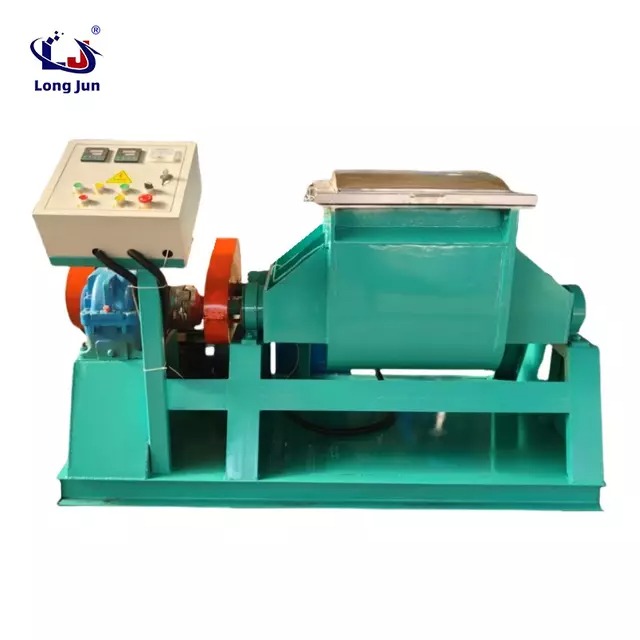
Let’s compare how each machine performs over time.
When comparing performance, efficiency involves both speed and control. Each machine delivers different advantages depending on the task and material being processed.
Aspect | Mixer | Kneader |
Processing Speed | Faster mixing cycles | Slower, more controlled operation |
Workflow Efficiency | Ideal for quick, repetitive tasks | Focused on precision and consistency |
Material Handling | Suitable for light to medium mixtures | Designed for dense, high-viscosity materials |
Output Quality | Good for general mixing | Superior uniformity and structure |
Mixers improve speed and simplify workflow in basic tasks. Kneaders focus on control and deliver more uniform results. This balance between speed and precision plays a key role when selecting the right equipment.
Consistency is critical in professional production, especially when quality standards must remain stable across batches. Kneaders excel in maintaining uniformity during processing.
Kneaders provide:
● Uniform texture across the entire batch, reducing uneven mixing
● Stable structure that supports better product performance
● Repeatable results, ensuring consistency in every cycle
This level of consistency becomes especially important in commercial and industrial environments where quality control is essential.
Over time, the advantages of using a kneader become more noticeable. It supports better process management and improves overall production reliability.
Kneaders offer:
● Better process control through stable and predictable operation
● Reduced variation between batches, improving quality consistency
● Higher product reliability, especially in demanding applications
These benefits contribute to long-term efficiency and help maintain consistent output in both food and industrial production systems.
The difference between a kneader and a mixer comes down to purpose and performance. A mixer works fast and handles many tasks in one machine. It fits well in kitchens that need flexibility and quick results. A kneader focuses on strength and control during processing. It builds better structure in dough and handles dense materials with ease.
If your goal is high-quality dough or thick material mixing, a kneader is a strong choice. It delivers consistent results and stable performance over time. For businesses seeking reliable equipment, Laizhou Longjun Machinery Co., Ltd. offers advanced kneader solutions designed for durability, customization, and efficient operation. Their machines help improve production quality while supporting long-term value. Understanding these differences helps you choose the right equipment. It also improves workflow and final product consistency.
A: The main difference lies in function. A kneader focuses on developing structure in dense materials, while a mixer blends ingredients quickly for general use.
A: You should use a kneader when working with heavy dough or high-viscosity materials. It improves consistency and structure, especially in bread or industrial applications.
A: A mixer can handle light dough, but it may not deliver the same consistency. A kneader is better for strong gluten development and uniform texture.
A: A kneader uses slow, controlled motion to stretch and fold dough. This builds stronger gluten networks and improves elasticity and final texture.
A: Yes, a kneader is widely used in industries like rubber, adhesives, and food processing. It handles dense materials and ensures uniform mixing.
A: The cost of a kneader varies based on size and features. Industrial models are more expensive but offer higher efficiency, durability, and customization options.


