
- All
- Product Name
- Product Keyword
- Product Model
- Product Summary
- Product Description
- Multi Field Search
English

Views: 0 Author: Site Editor Publish Time: 2026-03-13 Origin: Site
What separates a good bakery from a great one? Often, it starts with the right kneader. Many businesses struggle with inconsistent dough or uneven texture, yet the root cause is frequently overlooked. Choosing the right kneader is a key decision for any bakery or confectionery. It directly affects dough quality, production efficiency, and product consistency. A well-matched machine supports both strong bread structure and delicate pastry texture.
In this article, we will explore how to choose the right kneader for your needs. You will learn about different types, key features, and practical selection tips. We will also look at how modern solutions, including those from manufacturers like Longjun, help improve performance and scalability.
Different kneader types serve different purposes. Each one performs best under specific production conditions, so understanding their roles helps avoid costly mistakes later.
Kneader Type | Best Use Case | Key Advantage | Typical Users |
Spiral Kneader | Bread, pizza, bagels | Strong gluten development, low heat | Bakeries |
Planetary Kneader | Creams, batters, light dough | High versatility | Confectioneries, cafes |
Diving Arm Kneader | Artisan pastry, delicate dough | Gentle mixing, preserves structure | High-end pâtisserie |
Horizontal Kneader | Industrial large-scale production | Continuous, high-volume mixing | Food factories |
A spiral kneader is the go-to solution for bakeries focused on bread, pizza, and bagels. It uses a rotating bowl and spiral hook to develop gluten efficiently while keeping dough temperature low. This design ensures stable mixing even during long production cycles.
This is critical because excessive heat can weaken yeast activity. With a spiral kneader, dough remains elastic and consistent, even in high-volume production. It also improves dough uniformity across batches.
Planetary kneaders offer flexibility. Their interchangeable attachments allow users to mix batter, whip cream, or knead light dough. It makes them suitable for kitchens handling diverse recipes daily.
For shops producing a wide range of products, this versatility reduces the need for multiple machines. It also simplifies workflow in smaller kitchens and saves valuable workspace.
Diving arm kneaders replicate traditional hand-kneading. Their slow, gentle motion protects dough structure, making them ideal for high-end pastries like brioche or croissants. It helps maintain natural fermentation characteristics.
They are especially useful when working with sensitive ingredients such as butter or eggs, where maintaining texture is essential. This approach supports premium pastry production.
Horizontal kneaders are built for industrial environments. They process large batches continuously, ensuring uniform mixing across high volumes. Their structure supports heavy-duty, long-duration use.
This type suits large factories where consistency and throughput matter most. It also helps maintain stable production under demanding conditions.
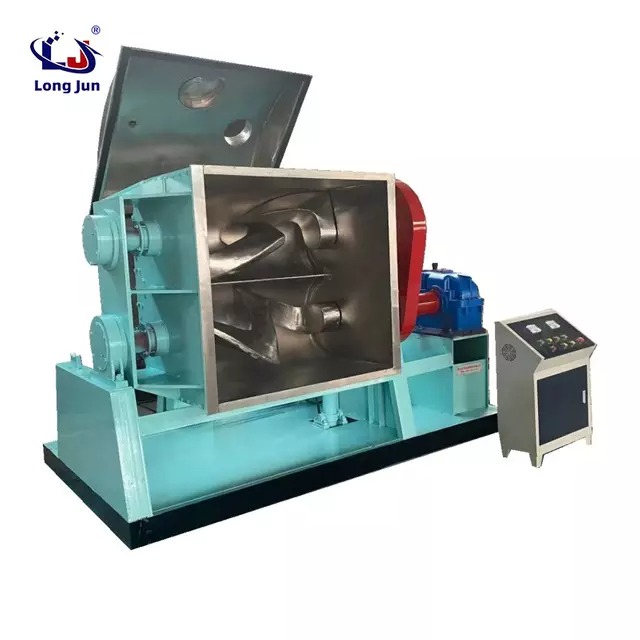
Start by evaluating your average daily output. Many businesses make the mistake of choosing based on peak demand alone.
A properly sized kneader should operate at about 70–80% capacity. This ensures optimal mixing performance and reduces strain on the machine.
Different dough types behave very differently during mixing, so we need to match the kneader’s power and motion accordingly. When we understand how hydration and density affect dough structure, it becomes easier to select the right machine and maintain consistent quality.
Dough Type | Common Products | Kneader Requirement | Key Mixing Focus |
Dense Dough | Bagels, pizza | Strong motor, powerful kneading action | Build strong gluten structure |
Soft Dough | Brioche, cake | Gentle mixing, lower intensity | Preserve softness and texture |
High-Hydration Dough | Artisan bread, ciabatta | Controlled speed and temperature | Maintain elasticity and balance |
By aligning the kneader with dough characteristics, we reduce the risk of overworking or under-developing the dough. This approach helps maintain stable results across different recipes and production conditions.
● Bakery operations: prioritize gluten development and strength
● Confectionery operations: prioritize flexibility and precision
If your business covers both, a combination of kneaders or a versatile planetary unit may be the best solution.
Growth matters. A kneader should support not only current production but also future scaling.
Investing in slightly higher capacity or modular systems can prevent costly upgrades later.
A kneader should fit seamlessly into your production line. Consider:
● Available floor space
● Bowl handling (fixed vs removable)
● Ingredient flow
Efficient layout reduces downtime and improves productivity.
Tip: When planning equipment layout, leave space for ingredient prep and cleaning zones to avoid workflow bottlenecks.
Variable speed control allows better management of dough development across different stages. Slow speeds help with ingredient incorporation, while higher speeds build structure and improve elasticity. This flexibility supports a wide range of recipes.
Advanced systems even allow programmable settings for repeatable results. It helps operators maintain consistency without constant manual adjustments, especially in busy production environments.
High-quality kneaders use stainless steel components. This ensures:
● Easy cleaning after each batch
● Resistance to corrosion in humid environments
● Compliance with strict food safety standards
Durability also reduces long-term maintenance costs. It ensures the machine remains reliable even under continuous operation.
Temperature plays a key role in dough performance. Excess heat can damage yeast activity and alter final texture, which directly affects product quality.
Modern kneaders include features that minimize friction heat or offer cooling options. These functions help maintain ideal conditions throughout the process and improve overall dough stability.
Spiral kneaders excel in bread production. They create strong gluten networks, which improve dough elasticity and final loaf structure. This helps bread maintain shape and volume during fermentation and baking stages.
They also maintain consistency across large batches, which is critical for commercial bakeries. It ensures each batch delivers similar texture, taste, and appearance, even under continuous production conditions.
Pastry production requires a much softer approach compared to bread dough. Gentle kneading helps maintain structure, prevents overmixing, and protects delicate ingredients during processing. Choosing the right kneader ensures stable results across different pastry applications.
Key Aspect | Role in Pastry Production | Result in Final Product |
Even Ingredient Distribution | Ensures uniform mixing of butter, flour, eggs | Balanced flavor and consistent texture |
Preservation of Air and Structure | Maintains incorporated air during mixing | Light, airy pastries with good volume |
Smooth, Stable Dough | Prevents overworking and structural damage | Clean layers and refined texture |
This is especially important for products like éclairs or laminated dough, where structure and consistency directly affect the final appearance and taste.
Always follow the correct loading order to achieve stable mixing results:
1. Add liquids first
2. Gradually introduce dry ingredients
3. Start at low speed
This approach helps avoid clumping and ensures even mixing from the beginning. It also allows ingredients to combine more naturally, reducing strain on the kneader.
Each recipe requires specific timing and speed control. Overmixing can damage dough structure, while undermixing leads to poor consistency and uneven texture.
We should monitor dough closely and adjust speed as needed. Fine-tuning these settings improves both efficiency and final product quality.
Check dough texture during operation. It should be smooth, elastic, and slightly tacky to the touch. This indicates proper gluten development and balanced hydration.
Small adjustments in water or flour can significantly improve results. Paying attention during mixing helps avoid errors before baking begins.
Overloading reduces efficiency and affects dough quality. It also increases wear on the machine and shortens its lifespan.
Stick to recommended capacity limits for best performance. Keeping batches consistent ensures stable results and smoother operation over time.
Note: Consistent batch size is one of the easiest ways to improve product quality across production runs.
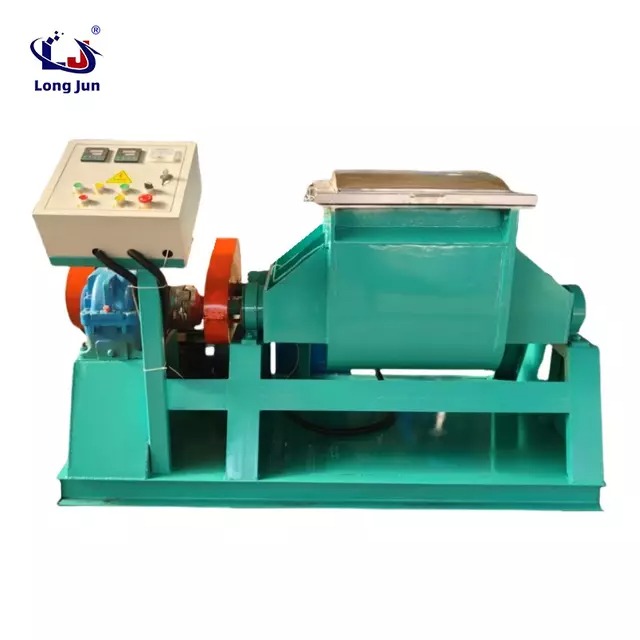
Clean the kneader after each use. Focus on:
● Mixing bowl
● Dough hook or attachments
● Exterior surfaces
Regular cleaning prevents contamination and extends equipment life.
Regular inspection plays a key role in keeping a kneader running smoothly over time. By checking essential components and addressing minor issues early, we can maintain stable performance and reduce the risk of unexpected downtime during production.
Component | What to Check | Purpose |
Motor and Gears | Noise, vibration, lubrication status | Ensure smooth power transmission |
Safety Systems | Emergency stops, protective covers | Maintain safe operation conditions |
Control Panels | Responsiveness, display accuracy | Guarantee precise machine control |
Preventive maintenance ensures stable operation and helps avoid sudden interruptions. It also extends the lifespan of the kneader and supports consistent production efficiency.
Working with a reliable manufacturer adds long-term value. Companies like Longjun provide:
● Customizable kneader solutions
● Stable and efficient operation
● Global service support
Their expertise in handling high-viscosity materials and advanced mixing systems makes them a strong partner for growing businesses.
Selecting the right kneader goes beyond simple dough mixing. It builds a stable and efficient production system for bakeries and confectioneries. The right choice improves consistency, supports product quality, and allows smooth daily operations. To achieve this, we need to focus on kneader type, suitable capacity, and key features such as speed control and temperature management. Each factor plays a role in ensuring reliable performance across different recipes and production scales.
Working with experienced manufacturers like Laizhou Longjun Machinery Co., Ltd. adds long-term value. Their kneader solutions offer customization, stable operation, and strong adaptability for various materials. This helps businesses maintain high standards while scaling production. In the end, a well-selected kneader becomes a core asset. It supports efficiency, consistency, and long-term growth in modern bakery and confectionery production.
A: A kneader is used to mix and develop dough by combining ingredients evenly. It helps build gluten structure for bread and preserves texture for delicate pastry products.
A: You should match the kneader to your production volume, dough type, and workflow. Consider capacity, mixing style, and features like speed control to ensure consistent results.
A: A spiral kneader provides strong gluten development while keeping dough temperature low. This improves elasticity and ensures stable results in large batches.
A: Yes, a planetary kneader can handle multiple tasks like mixing batter, whipping cream, and light kneading. It works well for operations that produce a variety of products.
A: Look for adjustable speed, durable stainless steel construction, and temperature control. These features improve efficiency, hygiene, and long-term performance.
A: The cost depends on size, type, and features. Small units are more affordable, while industrial kneaders with advanced controls cost more but offer higher productivity.


