
- All
- Product Name
- Product Keyword
- Product Model
- Product Summary
- Product Description
- Multi Field Search
English

Views: 0 Author: Site Editor Publish Time: 2026-02-02 Origin: Site
Stainless steel reactors are critical pieces of equipment used across various industries, including chemicals, pharmaceuticals, food processing, and more. These reactors facilitate chemical reactions in a controlled environment, offering excellent corrosion resistance, durability, and efficiency. In chemical manufacturing, stainless steel reactors are used for processes like mixing, heating, and cooling, ensuring that the materials undergo the desired reaction without contamination. In pharmaceuticals, they are essential for producing high-quality medications under strict conditions, while in food processing, they help in producing everything from preservatives to flavorings. Given their importance, selecting the right stainless steel reactor is crucial for maximizing production efficiency, ensuring safety, and maintaining product quality. This article aims to guide buyers in making informed decisions when purchasing a stainless steel reactor, covering key factors like material quality, reactor capacity, and more.
When choosing a stainless steel reactor, understanding the material quality and grade is essential for ensuring the reactor's performance, durability, and long-term reliability. Stainless steel is available in various grades, each offering unique properties that make it suitable for different industrial applications.
Grade 304: This is the most commonly used stainless steel grade for reactors due to its excellent corrosion resistance in many environments, including food processing and general chemical reactions. It is cost-effective, highly durable, and offers good resistance to oxidation and corrosion.
Grade 316: Often referred to as the "marine grade" stainless steel, 316 offers superior corrosion resistance, especially in harsh environments involving chloride exposure, such as in pharmaceutical, chemical, or coastal applications. It is ideal for reactors used in reactions that involve aggressive chemicals or high-temperature conditions.
The right grade of stainless steel depends on the type of reaction, the chemicals involved, and the operating environment. Here’s why selecting the correct grade is crucial:
Corrosion Resistance: Different reactions can expose the reactor to chemicals that might cause corrosion. For example, 316 stainless steel’s enhanced resistance makes it more suitable for corrosive environments.
Durability: The grade of stainless steel also determines how long the reactor will last under continuous use. Grade 316, while more expensive, offers greater longevity in harsh conditions.
Suitability for Specific Reactions: Certain reactions, especially those involving acids or salts, require more corrosion-resistant materials. Choosing a lower-grade stainless steel like 304 may be cost-effective, but it could lead to faster wear and tear under harsher conditions.
Selecting the right reactor size and capacity is key to optimizing production and minimizing costs. The size directly impacts reactor efficiency, and choosing the wrong size can lead to inefficiencies or excessive costs.
The reactor size should match your production scale and chemical reactions. A reactor that’s too small may limit batch size and slow production, while one that’s too large could incur unnecessary costs. Factors to consider include:
Batch Size: Match the reactor size to the typical batch volume needed for your production process.
Continuous vs. Batch Production: For batch production, the reactor should accommodate your batch size; for continuous production, larger or adjustable reactors may be required.
Several factors influence the reactor’s required capacity:
Production Volume: Higher production demands require larger reactors to meet output goals.
Chemical Reaction Time: Longer reaction times may necessitate larger reactors to ensure consistent material flow.
Material Properties: The viscosity and density of materials being processed impact the reactor size needed.
Scalability: Plan for future growth to ensure the reactor can scale with increasing production demands.
The design and construction of a stainless steel reactor are critical factors that directly impact its efficiency, safety, and ease of use. The right design ensures that the reactor can handle the specific demands of the chemical reaction, such as mixing, temperature control, and pressure requirements, while also facilitating maintenance and cleaning.
Agitation Systems: Agitation is essential for ensuring uniform mixing and heat distribution in the reactor. The choice of agitation system—whether a simple paddle, anchor, or more complex mixing mechanism—depends on the type of material being processed and the desired reaction outcome. Proper agitation ensures consistent mixing, preventing clumping or uneven reactions.
Pressure Ratings: Reactors need to be designed to withstand the pressure conditions of specific reactions. It's important to select a reactor with pressure ratings that align with the maximum operating pressure required for your process. Underestimating pressure needs can lead to safety hazards or equipment failure.
Ease of Cleaning: In many industries, including food and pharmaceuticals, cleanliness is critical. Reactors should be designed for easy cleaning and maintenance to prevent cross-contamination and ensure safe operations. Look for features like smooth surfaces, accessible openings, and hygienic designs that reduce cleaning time and effort.
Jacketed Reactors: Jacketed reactors are equipped with a surrounding jacket that allows for precise temperature control by circulating heating or cooling fluids. They are ideal for reactions that require precise temperature management, such as in chemical synthesis or pharmaceutical manufacturing.
Non-Jacketed Reactors: Non-jacketed reactors lack the external jacket for temperature control but are often simpler and more cost-effective. These are best suited for processes where temperature control isn’t as critical or where external cooling or heating systems are used.
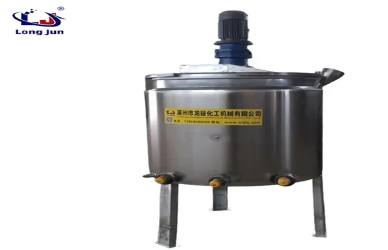
When selecting a stainless steel reactor, it is crucial to ensure that it is designed to withstand the specific temperature and pressure requirements of the chemical reactions it will facilitate. These factors directly impact the safety, efficiency, and longevity of the reactor.
Temperature: Many chemical reactions require precise temperature control to ensure that the reaction proceeds at the desired rate. Some reactions may require extremely high or low temperatures, so it’s important to choose a reactor that can maintain these conditions consistently without risk of failure. The material grade and insulation of the reactor should be considered, as they affect its ability to resist temperature extremes.
Pressure: Certain reactions involve high pressures, such as hydrogenation or other high-pressure synthesis processes. The reactor’s pressure rating must be compatible with the maximum pressure that will be exerted during the reaction. Failing to account for pressure requirements can lead to equipment failure or even catastrophic accidents.
Safety: The reactor should have built-in safety features such as pressure relief valves, temperature sensors, and emergency shut-off mechanisms. These ensure that if the pressure or temperature exceeds safe limits, the reactor can safely release excess pressure or heat.
Material Compatibility: Ensure that the materials used in constructing the reactor (such as the stainless steel grade) are capable of withstanding the specific temperature and pressure conditions without degrading or corroding over time.
Efficiency: A reactor designed to handle extreme conditions will ensure that the reaction proceeds smoothly, without interruptions or inefficiencies. The correct materials, pressure and temperature controls, and safety features contribute to optimal performance, reducing the need for costly repairs or downtime.
When selecting a stainless steel reactor, it's important to consider both maintenance and durability to ensure long-term, reliable performance and minimize downtime.
Ease of Maintenance: Choose reactors with accessible designs that simplify maintenance tasks. Features like removable parts and easy-to-clean surfaces reduce downtime and make upkeep faster, especially in industries like food processing and pharmaceuticals.
Spare Parts Availability: Ensure that spare parts are readily available, which minimizes delays and helps keep your reactor in operation without unnecessary downtime.
High-Quality Materials: Opt for reactors made from durable, corrosion-resistant stainless steel to withstand harsh environments and reduce wear and tear.
Long-Lasting Components: Look for reactors with durable components, including agitators, seals, and valves, that can handle continuous use and require less frequent replacement.
Routine Inspections: Regular checks of key components like agitators and pressure valves can help prevent costly repairs and maintain reactor efficiency.
316 stainless steel offers better corrosion resistance, especially for reactions involving harsh chemicals or high salinity environments, making it ideal for more demanding applications.
Reactor size depends on your production volume, batch size, and specific process requirements. A larger capacity allows for bigger batches but may require more energy and space.
Jacketed reactors are designed with an external layer for heating or cooling, while non-jacketed reactors lack this feature. The choice depends on whether temperature control is needed for the reaction.
Look for reactors made from high-quality stainless steel and with easy-to-clean designs. Regular maintenance and choosing reactors with durable seals and components will ensure long-term reliability.
When purchasing a stainless steel reactor, it’s crucial to consider several key factors to ensure the equipment meets your specific needs. These factors include material quality and grade, ensuring the reactor is made from the appropriate stainless steel for your process; reactor capacity and size, which should match your production volume; design and construction, including agitation systems and temperature/pressure resistance; maintenance and durability, to reduce long-term operational costs; and temperature and pressure resistance, ensuring the reactor can withstand extreme conditions. By thoroughly evaluating these aspects, along with your production requirements and budget, you can make a well-informed decision. This ensures that your investment in a stainless steel reactor will enhance efficiency, safety, and long-term productivity, aligning with both your operational goals and financial considerations.


